Approved by AICTE, PCI and Affiliated to Uttarkhand Board of Technical Education (UBTER), Established in 1975
To be a Leading Educational Institution, recognized for Excellence in Diploma in Computer Science & Engineering producing globally competent and socially responsible professionals.
To provide state-of-the-art infrastructural and computing facilities that support achieving Academic Excellence in computer science and technology.
To provide a work environment that is conducive for the professional growth of faculty and staff.
PO1 Engineering knowledge: Apply the knowledge of mathematics, science, engineering fundamentals, and computer science engineering specialization to the solution of complex engineering problems.
PO2 Problem analysis: Identify, formulate, review research literature, and analyze complex computer science and engineering problems reaching substantiated conclusions using first principles of mathematics, natural sciences, and engineering sciences.
PO3 Design/development of solutions: Design solutions for complex computing and engineering problems and design system components, software applications, or processes that meet the specified needs with appropriate consideration for public health and safety, and cultural, societal, and environmental considerations.
PO4 Conduct investigations of complex problems: Use research-based knowledge and research methods including design of experiments, analysis and interpretation of data, and synthesis of information to provide valid conclusions in software and hardware domains.
PO5 Modern tool usage: Create, select, and apply appropriate techniques, resources, and modern engineering and IT tools including programming environments, databases, prediction, and modeling to complex engineering activities with an understanding of the limitations.
PO6 The engineer and society: Apply reasoning informed by contextual knowledge to assess societal, health, safety, legal, and cultural issues and the consequent responsibilities relevant to professional engineering and IT practice.
PO7 Environment and sustainability: Understand the impact of professional engineering and computing solutions in societal and environmental contexts, and demonstrate the knowledge of, and need for sustainable development.
PO8 Ethics: Apply ethical principles and commit to professional ethics and responsibilities and norms of the engineering and computing practice.
Course Fee: Rs. 12,900
Available Seats: 40 + 2 (TFW)
Lateral Entry: 04 (12th) and 04 (ITI)
Timing: 10:00 AM – 5:00 PM
Duration of the Program: Three years (Six Semesters)
Entry Qualification: 10th Pass out
Pattern of the Program: Semester System
Ratio between Theory and Practical Classes: 50:50
Ecology and Environment: As per directives of the Government of India, an awareness camp on Ecology and Environment has been incorporated during the second semester.
Entrepreneurship Development: An Entrepreneurial Awareness Camp and a full subject on Entrepreneurship Development and Management have been incorporated into the study scheme to foster technical startup initiatives.
Generic Skill Development: Two camps of 3–4 days duration on Generic Skills Development (GSD) during the 5th and 6th semesters are organized by arranging expert lectures or discussion sessions by polytechnic faculty or eminent educationists. Topics include Independent Study Techniques, Task Management, Ethics and Values, Personality Development, SWOT Analysis, and Action Research.
Industrial Exposure: Students are exposed to the IT and software industry through industrial visits and expert lectures by industry professionals. Suggested industry-oriented, practice-based minor and major projects in software development, networking, and core computing enable students to interact with relevant tech companies.
Discipline: 20 marks per semester have been allocated for maintaining discipline, which includes punctuality, attendance, and behavior.
2.Mr Manmohan (Lecturer)
3. Mr Neeraj Arya (Guest Lecturer)
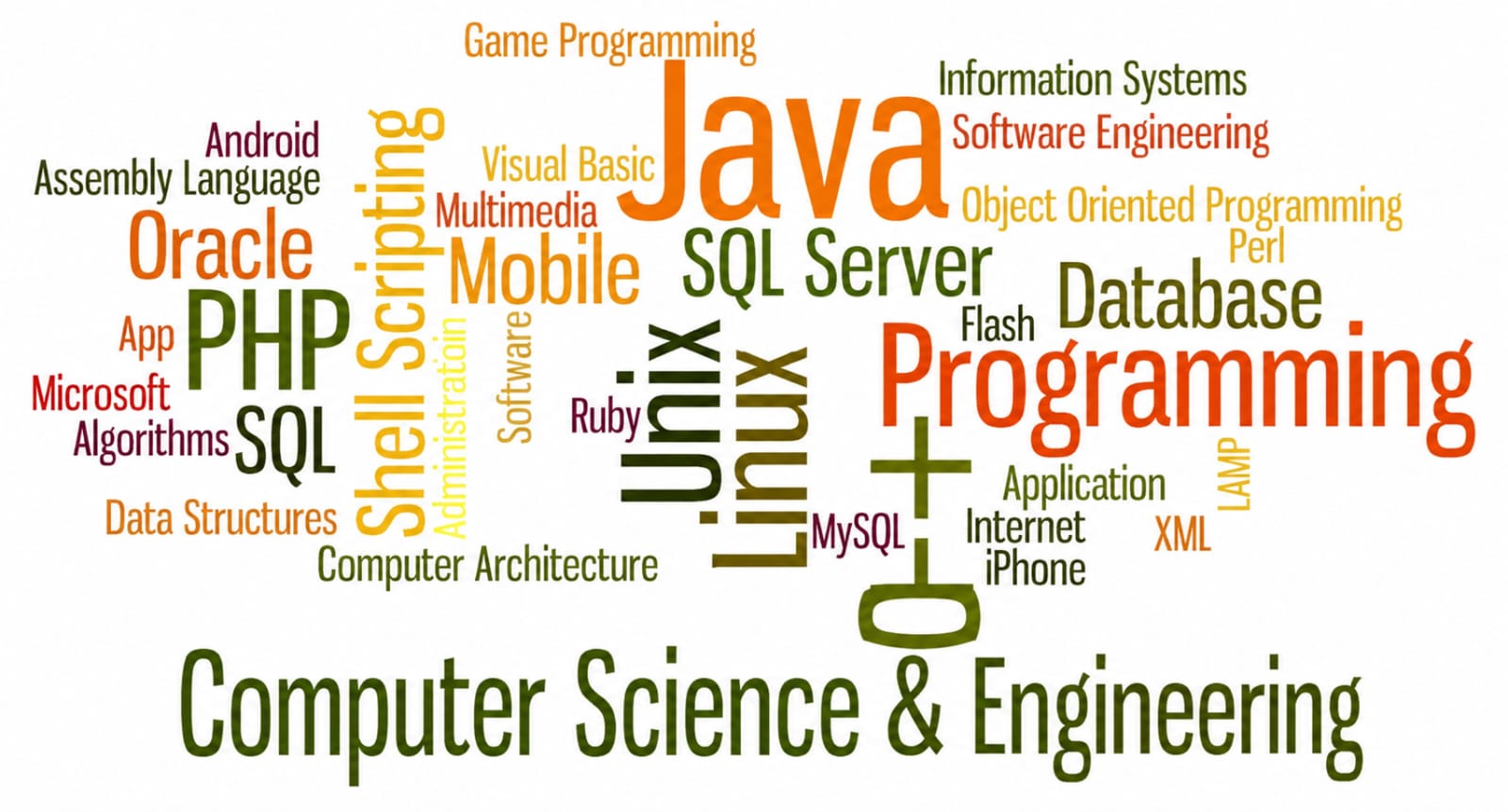
After completing a diploma in Computer Science & Engineering (CSE), there are several career paths that you can pursue. Here are some of the most popular career options: Software Developer, Full Stack Engineer, Systems Analyst, and Database Administrator.